Maine Coon Colors: Complete Guide to Coat Patterns and color
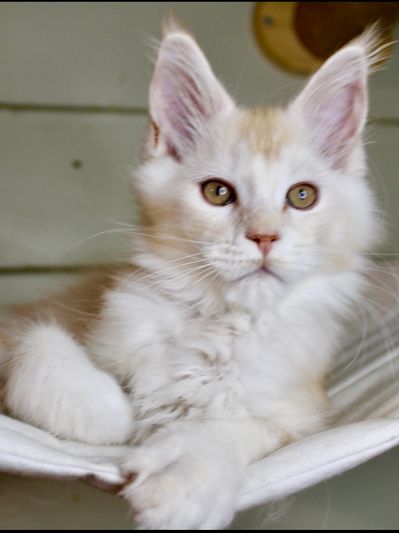
Discover the Stunning Coat Colors and Patterns of Maine Coon Cats
Explore the incredible variety of Maine Coon coat colors and patterns, from classic tabbies and striking solids to rare torties, torbies, smokes, and silvers. Learn how Maine Coon color genetics work, why certain colors are more rare than others, and how ethical breeding practices help preserve both beauty and health. This guide offers a deeper look into what makes each Maine Coon coat truly one of a kind.
How Many Colors Do Maine Coon Cats Come In?
Maine Coon cats come in over 75 recognized color and pattern combinations when coat color, pattern, and white markings are considered together.
Maine Coon colors are typically grouped into:
- Solid colors
- Tabby patterns
- Silver & smoke variations
- Tortoiseshell & torbie combinations
- Bi-color and white-patterned Maine Coons
Each color expression is influenced by genetics, lineage, and selective breeding.
Solid Maine Coon Colors
Solid Maine Coons have a uniform coat color with little to no visible patterning.
Black Maine Coon
Black Maine Coons are bold, dramatic, and highly sought after. Their dense coats often reveal hidden striping (ghost tabby markings) in kittenhood that darken with maturity.
👉 Learn more about our Black Maine Coon kittens
White Maine Coon
White Maine Coons are striking and elegant, sometimes born with blue or odd-colored eyes. Their pure appearance makes them one of the most visually distinctive Maine Coon colors.
While blue or odd-colored eyes in white Maine Coons are typically associated with white patterning genetics, rare blue eye expression can also occur outside of traditional white or colorpoint pathways. We are currently documenting one such presentation through a preliminary genetic review focused on the PAX3 gene.
Blue (Gray) Maine Coon
Often called gray Maine Coons, blue Maine Coons display a soft, smoky appearance that pairs beautifully with the breed’s long coat and tufted features.
👉 Discover Blue Maine Coon colors
Tabby Maine Coon Patterns
Tabby Maine Coons are the most common and include several pattern variations.
Brown Tabby Maine Coon
The classic Maine Coon look. Brown tabbies feature bold markings and warm earth tones.
Red (Orange) Tabby Maine Coon
Red Maine Coons range from deep orange to light cream, often with dramatic mackerel striping.
👉 Read about Orange Maine Coon cats
Silver Tabby Maine Coon
Silver tabbies have a pale silver base coat with dark, high-contrast markings.
👉 View Silver Maine Coon kittens
Some silver Maine Coons also display polygenic warm pigment expression, often referred to as ruffism, which can appear as red or burgundy warmth within the ruff and coat as the cat matures — a naturally occurring, breed-accurate trait documented in established lines.
→ Read our in-depth guide to polygenic ruffism in Maine Coons
Ticked Tabby Maine Coon
Ticked Maine Coons have subtle patterning with each hair banded in color, giving a refined, almost shimmering appearance.
👉 Learn about Black silver ticked Maine Coons
Explore the Mysterious Smoke Colors of Maine Coon

Smoke Maine Coon Colors
Smoke Maine Coons appear solid at rest but reveal a silver or white undercoat when they move.
Black Smoke Maine Coon
One of the most dramatic Maine Coon colors, black smoke cats have a silver base beneath a black topcoat.
Smoke Maine Coon colors are defined by a pale undercoat with darker tipping, creating a dramatic contrast that is especially striking in long-haired Maine Coons.
👉 Explore Black smoke Maine Coons
Some black smoke Maine Coons also express polygenic warm pigment modifiers, resulting in rich red or burgundy undertones within the ruff, mantle, and coat as they mature — a breed-accurate trait documented in established lines.
→ Read our in-depth guide to polygenic ruffism in Maine Coons
Blue Smoke Maine Coon
Blue smoke Maine Coons feature a lighter, misty effect that highlights their size and coat length.
Tortoiseshell & Torbie Maine Coons
Tortie Maine Coon
Tortoiseshell Maine Coons display a blend of black and red with no tabby pattern.
Torbie Maine Coon
Torbie Maine Coons combine tabby striping with tortoiseshell coloring, creating a beautifully complex coat.
Maine Coon Colors With White
Many Maine Coons feature white markings on the chest, paws, or face.
- Black with white
- Red tabby with white
- Torbie with white
- Silver tabby with white
White markings do not affect breed quality and are fully accepted in Maine Coon standards.
Rare & Unusual Maine Coon Colors
Rare & Unusual Maine Coon Colors
Some Maine Coon colors are less common due to genetics and selective breeding.
- Cream Maine Coon
- Red smoke Maine Coon
- High smoke variations
- Odd-eyed white Maine Coons
Availability varies based on breeding programs and lineage.
Does Color Affect Maine Coon Personality?
No — Maine Coon personality is not determined by color. If you want to learn more about the unique temperament of this breed, read our guide on Maine Coon personality and traits.
Temperament depends on:
- Genetics
- Early socialization
- Breeding ethics
- Environment
All Maine Coons are known for being affectionate, intelligent, and family-oriented regardless of coat color.
Choosing the Right Maine Coon Color for Your Home
When selecting a Maine Coon kitten, consider:
- Grooming needs
- Shedding visibility
- Personal aesthetic preference
- Lifestyle compatibility
Grooming needs – Maine Coons have thick, semi-long coats that require regular brushing. Learn more about coat maintenance in our Maine Coon grooming guide and our Ultimate Guide to Caring for a Maine Coon.
Our goal at Aristocatic Maine Coons is to match each family with the right kitten — not just the right color.

Join the Aristocatic Maine Coons Family
Sign up to get early access to upcoming litters, kitten availability, exclusive photos, and expert Maine Coon care tips. Be the first to know when your dream kitten arrives!